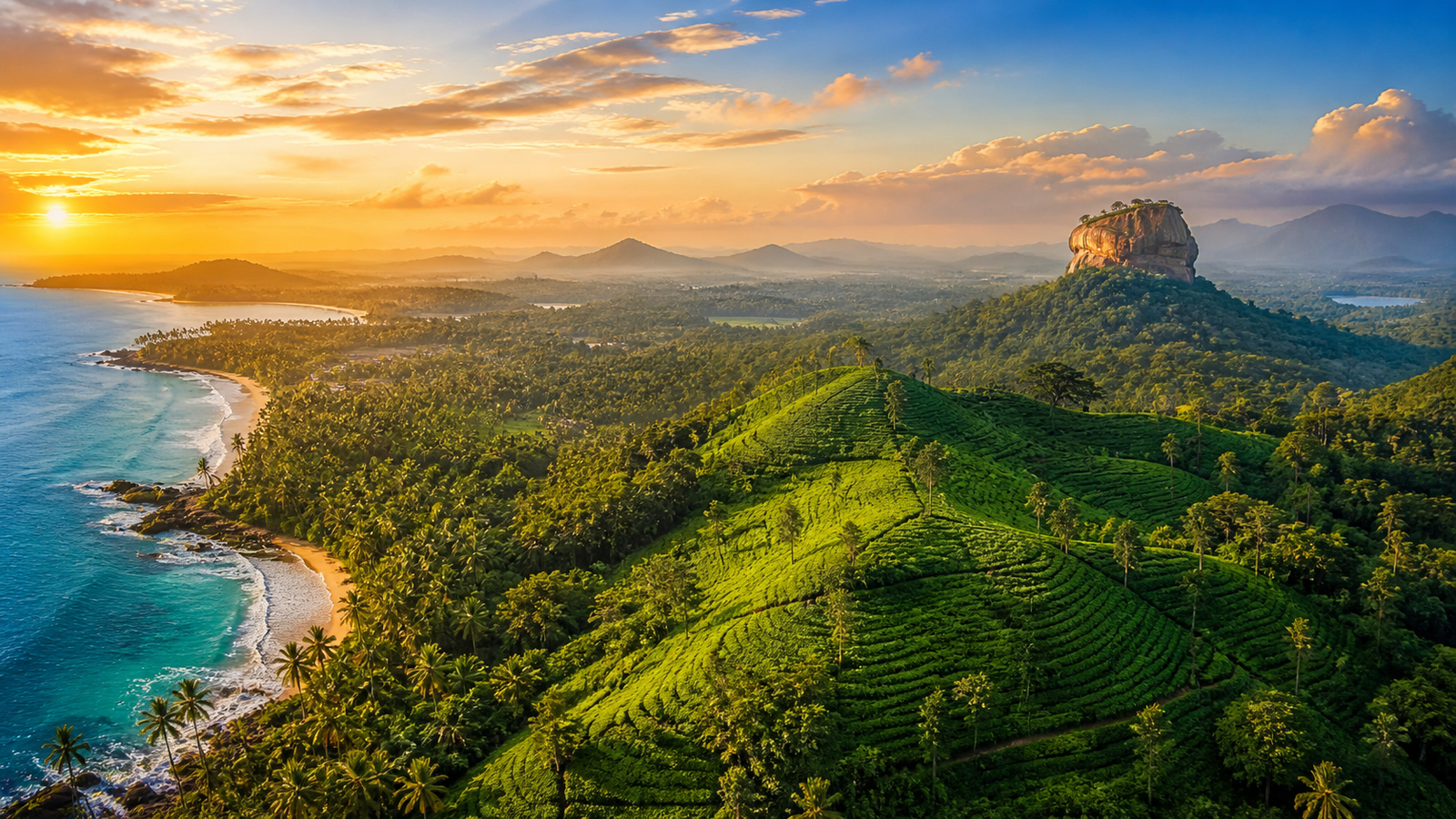
Sri Lanka — the Pearl of the Indian Ocean — packs more diversity into 65,000 square kilometres than most countries fit in ten times that space. Ancient kingdoms, misty hill country, leopard-rich jungles, golden beaches, world-class surfing, deeply rooted Buddhist culture, and some of the friendliest people on Earth — all on a teardrop-shaped island just south of India. This 2026 travel guide tells you exactly when to come, where to go, what it costs, and how to plan the perfect trip.
Why visit Sri Lanka in 2026?
2026 is shaping up to be one of the best years to visit Sri Lanka in over a decade. Tourism numbers are strong but not yet overwhelming, the Sri Lankan rupee remains favourable for international visitors, infrastructure investments mean better roads and more boutique hotels than ever, and the country's 30-day free electronic visa policy for many nationalities (introduced in late 2023) makes arrival smoother than ever before.
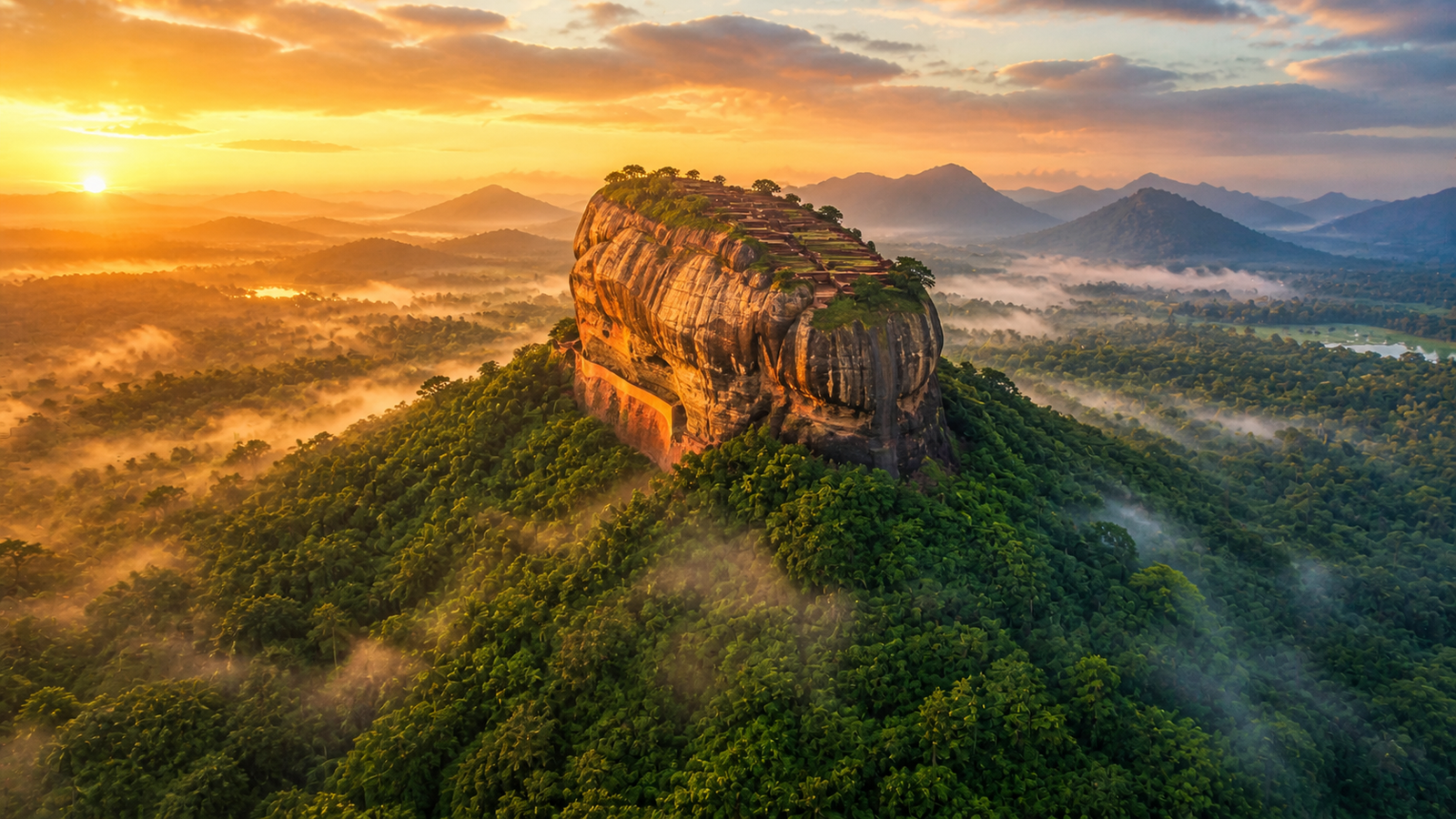
Compared to overcrowded Southeast Asian neighbours like Bali or Phuket, Sri Lanka still feels relatively undiscovered. You can stand at the top of Sigiriya rock fortress at sunrise with a few dozen other travellers — not a few thousand. You can drive through tea country and see plantation workers picking leaves the way they have for 150 years. You can spend a day on a south-coast beach with five fishing boats and zero crowds.
Best time to visit Sri Lanka
Sri Lanka has two monsoon seasons that affect different coasts at different times. The good news? There's always somewhere on the island with great weather.
Peak season: December to March (best overall)
This is the dry season for the south and west coasts and the cultural triangle. Days are sunny, humidity is manageable, and the sea is calm and safe for swimming. December and January are particularly festive — expect Christmas decorations in Colombo, Hindu Thai Pongal celebrations in the north, and a steady stream of European travellers escaping winter.
Hotels are at their busiest and most expensive between mid-December and mid-January. Book at least 4–6 weeks in advance for popular beach properties.
Shoulder season: April and September
April offers warm weather and the Sinhala/Tamil New Year — a brilliant cultural experience if you don't mind that some businesses close for a few days mid-month. September is dry on the east coast (think Trincomalee, Pasikuda, Arugam Bay) while the south is rainier — perfect for adventurous travellers willing to follow the sun.
Off-peak: May to August (east coast season)
The southwest monsoon brings rain to Galle, Mirissa and Bentota, but the east coast becomes paradise. Arugam Bay hosts world-class surfers, Trincomalee offers calm turquoise water, and Yala has slightly fewer visitors. Hotel rates drop significantly. If you're flexible with itinerary, this is the budget traveller's sweet spot.
Avoid: November (heaviest rain)
The northeast monsoon arrives, and the cultural triangle and east coast can see heavy rainfall. The south is okay but the days are shorter and grey. We rarely recommend trips in November unless you have specific cultural festivals to attend.
Top destinations you can't miss
Sri Lanka's "must-visit" list could easily fill two weeks, but here are the regions we recommend prioritising.
The Cultural Triangle
The ancient heart of Sri Lanka. Sigiriya is the iconic rock fortress with frescoes dating to the 5th century — climb early in the morning to beat heat and crowds. Polonnaruwa is a UNESCO-listed ruined city perfect for cycling. Anuradhapura is the older, holier sister city with massive sacred stupas. Dambulla's golden cave temples are some of the best-preserved in Asia.
Kandy and the Hill Country
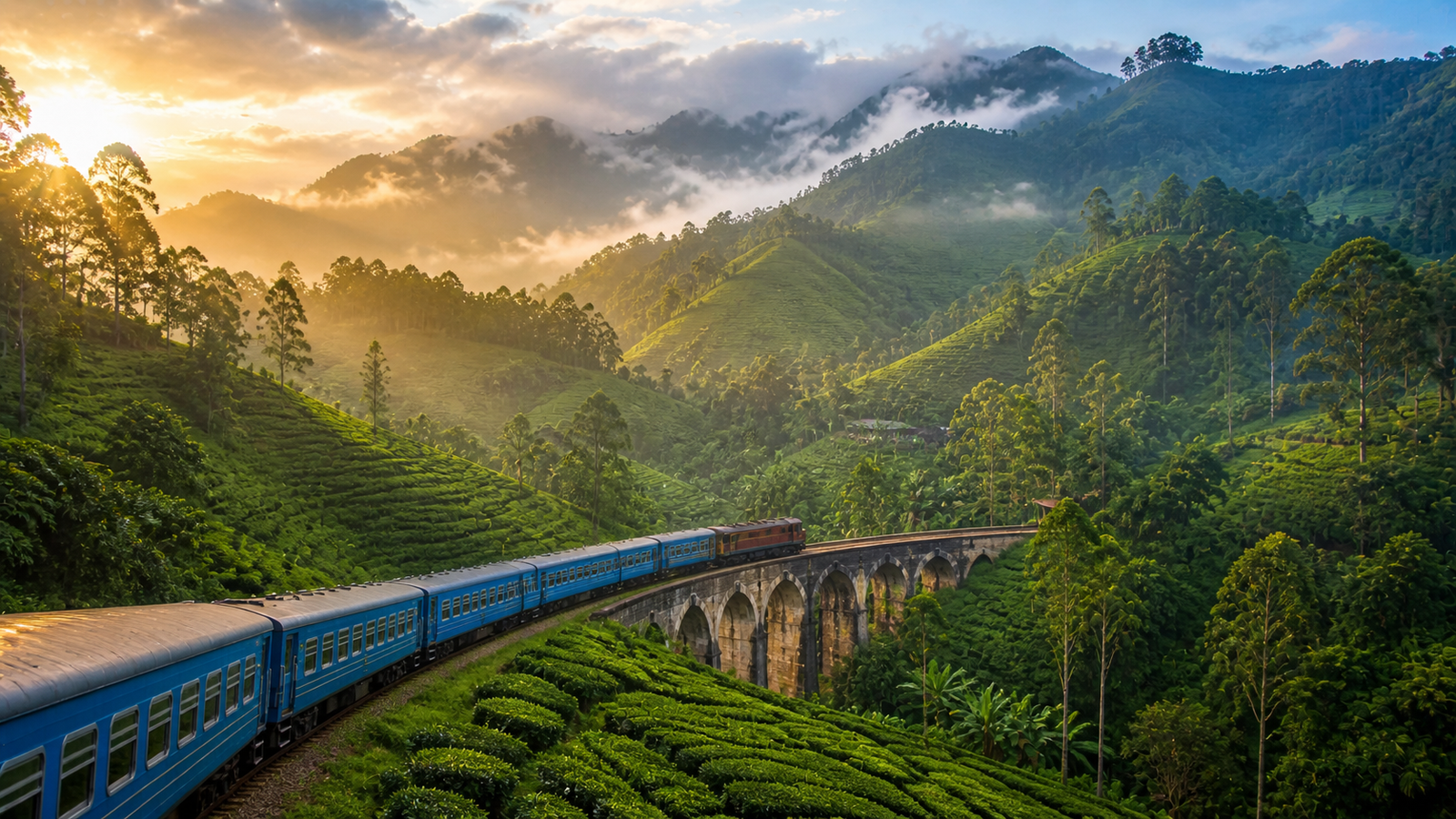
Kandy is the cultural capital — home to the Temple of the Tooth, the most sacred Buddhist site in the country. From there, the train ride to Nuwara Eliya and onward to Ella is regularly voted one of the most beautiful train journeys in the world. Tea estates roll on for hours, mist drifts through valleys, and at Ella you can hike Little Adam's Peak for incredible views.
Yala and Udawalawe National Parks
Sri Lanka has the highest density of leopards anywhere in Asia, and Yala is where you're most likely to spot them. Udawalawe is the elephant park — wild herds of 100+ are common. Either is best done as a half-day or full-day jeep safari with an experienced tracker.
The South Coast
From Galle with its 17th-century Dutch fort to Mirissa with its whale-watching, stilt-fishermen, and Coconut Tree Hill, this stretch of coast packs in beach culture, history, and food. Bentota is the resort hub if you want pampering; Hikkaduwa attracts surfers; Weligama is a beginner-surf paradise.
Visa, money, and practical info
Do I need a visa?
Most nationalities (UK, US, Australia, Canada, EU, etc.) need an Electronic Travel Authorization (ETA), which costs roughly $50 USD for a 30-day double-entry tourist visa. Apply online at the official ETA website 3–7 days before travel. There's also a 30-day visa-on-arrival, but pre-arranging is faster and cheaper. Always apply through the official government website, not third-party agents.
Money and cards
The currency is Sri Lankan Rupees (LKR). At time of writing, $1 USD ≈ 320 LKR, but check current rates before you travel. ATMs are everywhere in cities and tourist areas; cards work in most hotels and restaurants. Carry some cash for tuk-tuk rides, market shopping, and small village stops.
How much will it cost?
A guideline for a couple, per person per day, including hotel, meals, transport and one paid activity:
- Budget: $40–60 USD (guesthouses, local restaurants, public transport)
- Mid-range: $80–150 USD (3–4 star hotels, mix of fine and casual dining, private driver)
- Luxury: $250+ USD (5-star resorts, premium experiences, private guides)
Tour packages (like ours) often work out cheaper than booking individually because we negotiate hotel rates directly. A 7-day all-inclusive cultural tour with private driver, breakfast, and 4-star hotels typically runs $750–950 per person.
Getting around
The most popular option for international travellers is a private driver-guide with their own air-conditioned vehicle. It costs $50–95 per day depending on the vehicle, includes fuel, and takes the stress out of navigation. Trains are scenic but slow and can be crowded. Buses are cheap but uncomfortable for long distances. Domestic flights exist but are limited.
What to pack
Sri Lanka is warm and humid year-round in the lowlands (Colombo, the coasts, the cultural triangle). The hill country can be surprisingly cool — Nuwara Eliya at 6,000ft can drop to 12°C / 54°F at night. Pack:
- Lightweight, breathable clothing in light colours
- One warmer layer (fleece or light jacket) for the hills
- Modest clothing for temple visits — knees and shoulders covered, no shoes inside
- Comfortable walking shoes for Sigiriya and ruin sites
- Sunscreen, insect repellent, and a refillable water bottle
- A power adapter (Sri Lanka uses Type D and G plugs)
Health and safety
Sri Lanka is one of the safer countries in South Asia for travellers. Violent crime is rare. Petty crime exists in busy areas — keep an eye on bags. Be cautious with tuk-tuk drivers who haven't been recommended; insist on the meter or agree on a price before getting in.
Mosquito-borne illnesses (dengue, less commonly malaria) exist but aren't major risks in tourist areas. Tap water is not drinkable — stick to bottled or filtered. Most travellers do fine without any vaccinations beyond their routine ones, but consult a travel doctor for personal advice.
Insider tips from a local
"The single biggest mistake first-time visitors make is trying to see too much. Sri Lanka looks small on a map, but the roads are slow — averaging 30 km/h on hill country routes. Pick three regions, take your time, and you'll have a much better trip than someone trying to do six in seven days."
— Kanishka Shyamal, Director, Best Sri Lankan Tour
A few more local secrets:
- Eat where locals eat. A "rice and curry" lunch at a small village shop is often the best meal of your trip — and costs $3.
- Negotiate respectfully. Tuk-tuk and street vendor prices are flexible; haggling is expected, but smile and stay friendly.
- Tip your driver-guide. $10–15 per day is appreciated. They work hard.
- Buy a local SIM at the airport. Dialog and Mobitel both offer tourist packages — about $10 for 10GB data and unlimited local calls.
Ready to plan your trip?
If this guide has you dreaming, the next step is figuring out the right itinerary for your interests, budget and time. Tell us what you're thinking and we'll send back a custom proposal within 24 hours — completely free, no obligation.